Artificial intelligence can help businesses analyze information, automate tasks, and make faster decisions. But introducing AI also introduces questions: What data can employees use? Who checks the results? Who is responsible when something goes wrong?
AI governance provides a framework for answering those questions. It establishes the policies, responsibilities, and controls that guide how an organization develops, purchases, and uses AI.
Effective governance gives people a clear path to use AI responsibly while protecting the organization and the people affected by its decisions.
Start With Visibility
An organization cannot effectively manage AI tools it does not know are being used.
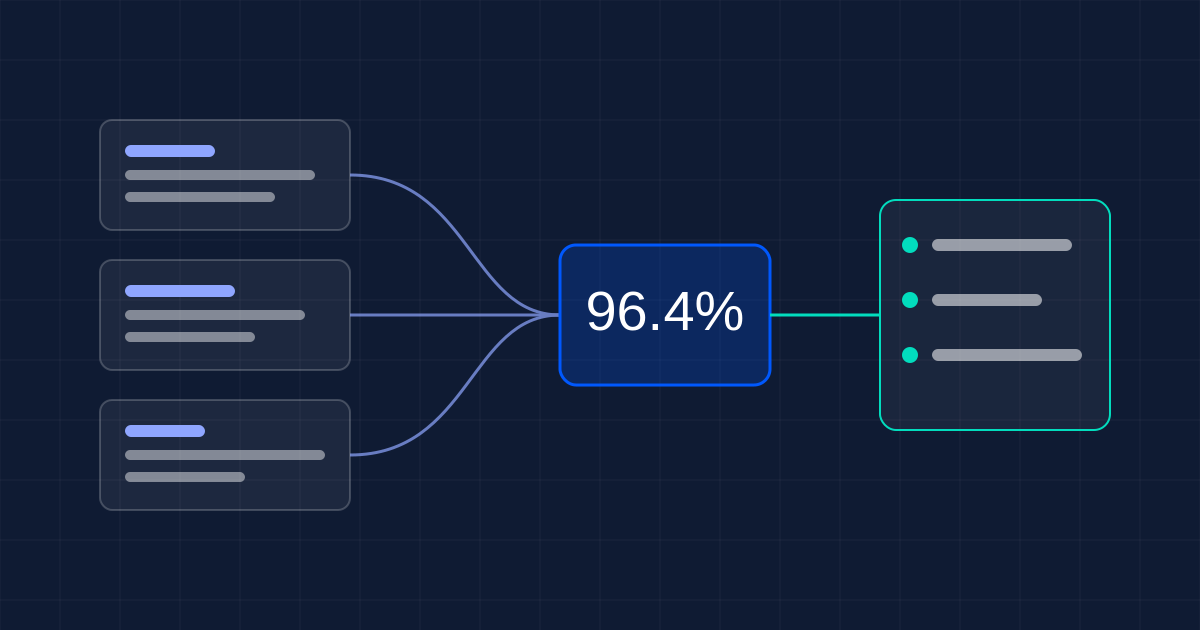
Employees may already be using AI to summarize documents, write code, analyze spreadsheets, or draft customer communications. Creating an inventory of those activities is a practical first step.
For each use case, record:
- The tool and its business purpose.
- The person responsible for its use.
- The data it accesses.
- The people affected by its output.
- Whether it supports a decision or takes action automatically.
This inventory helps leaders understand where AI is creating value and where additional oversight may be needed.
Match Oversight to Risk
Different AI applications require different levels of control.
A tool that drafts an internal meeting agenda has a different risk profile from a system that influences hiring decisions or authorizes payments. Governance should consider the potential consequences of an error, the sensitivity of the data, and how easily an action can be reversed.
Lower-risk tasks may need straightforward usage guidelines and routine review. Higher-risk applications may require formal evaluation, documented approvals, stronger monitoring, and meaningful human oversight.
This approach helps organizations focus their attention where mistakes could have the greatest impact.
Protect the Information AI Uses
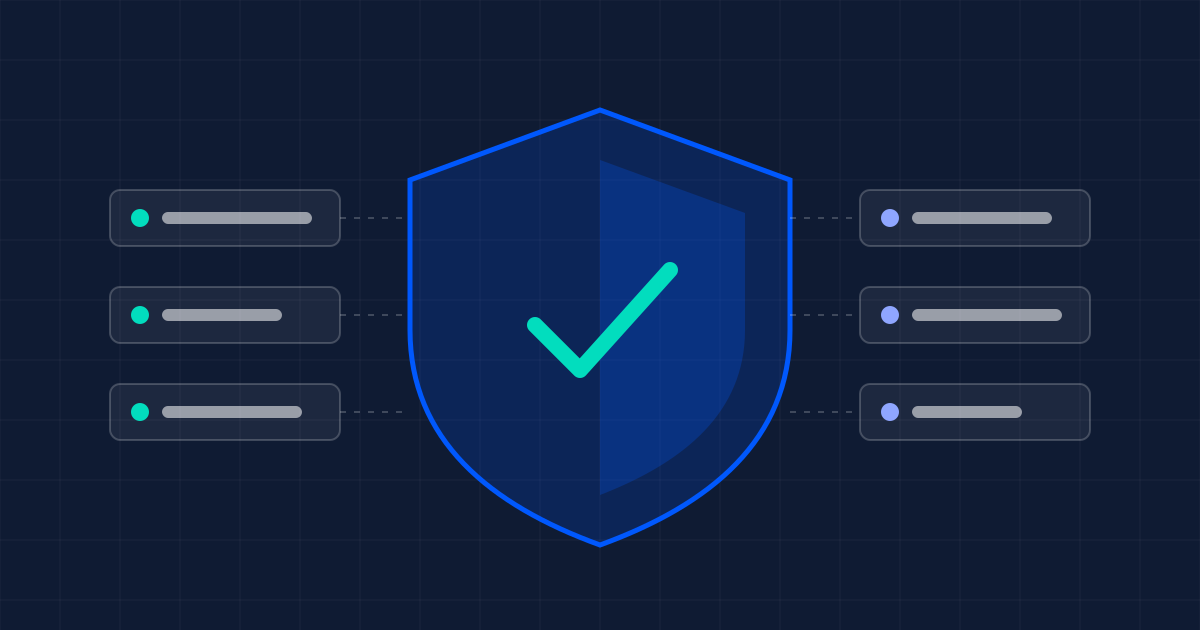
Before employees enter information into an AI tool, they should understand which data is permitted and how the service handles it.
Organizations should evaluate access controls, retention settings, vendor terms, and whether submitted information may be used to improve the provider’s models. Confidential business information, employee records, and customer data require particular care.
Clear rules are easier to follow than broad instructions to “be careful.” Employees need examples of acceptable use, approved tools, and a process for asking questions.
Assign Accountability
Every business AI application needs an owner. That person should understand its purpose, limitations, and review requirements.
Human oversight should also be specific. A reviewer needs enough context, time, and authority to challenge an output or stop an action. Simply placing a person in the workflow does not guarantee effective supervision.
When AI contributes to a decision, accountability must remain clear.
Keep Governance Active
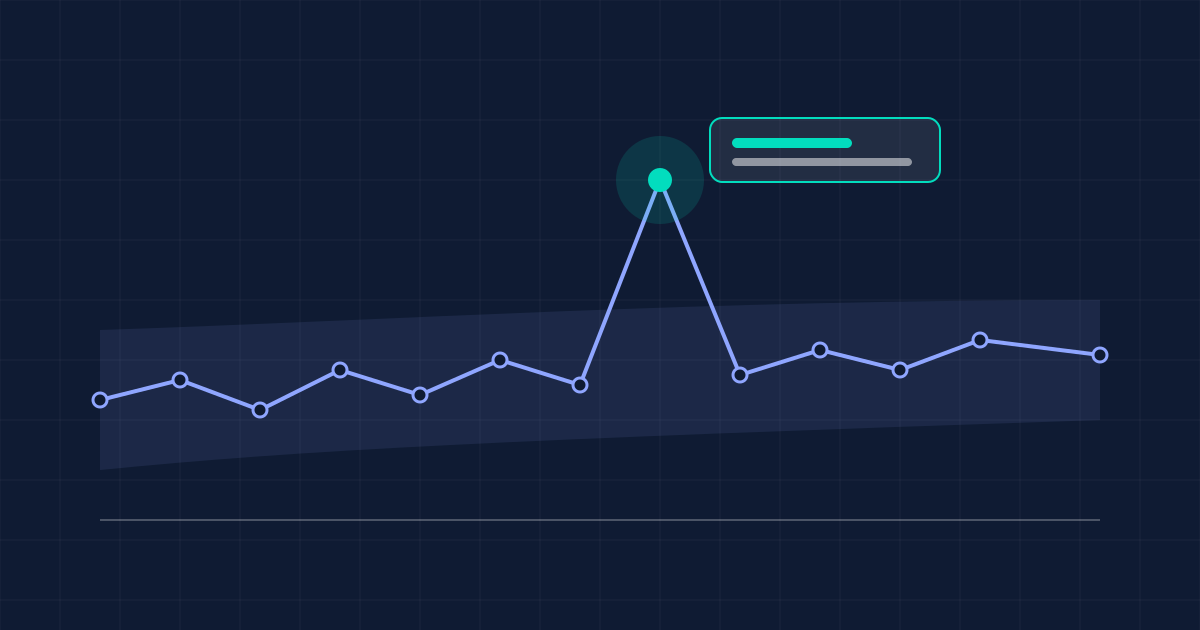
AI systems, data, and business needs change. An application that performed well during testing may become less reliable after an update or a change in the information it processes.
Regular reviews should examine accuracy, unexpected behavior, user feedback, and whether the system still serves its intended purpose. Organizations also need a way to report incidents and pause use when necessary.
Trustworthy AI depends on consistent practices: knowing where it is used, protecting its inputs, reviewing its outputs, and taking responsibility for its effects.