A business AI assistant is only useful if it can answer questions using information relevant to the business. General knowledge can help it explain a concept, but answering a question about an internal policy, customer agreement, or operating procedure requires access to the right source.
This is where large language models and retrieval-augmented generation work together.
What Does an LLM Do?
A large language model, or LLM, generates and interprets language based on patterns learned during training. It can summarize documents, explain concepts, draft content, and respond to questions.
However, an LLM does not automatically know your company’s private information. Its training may also lack recent developments. Without relevant source material, it can produce an answer that sounds convincing but contains incorrect or unsupported details.
Giving the model access to appropriate information is one way to address that limitation.
What Is RAG?
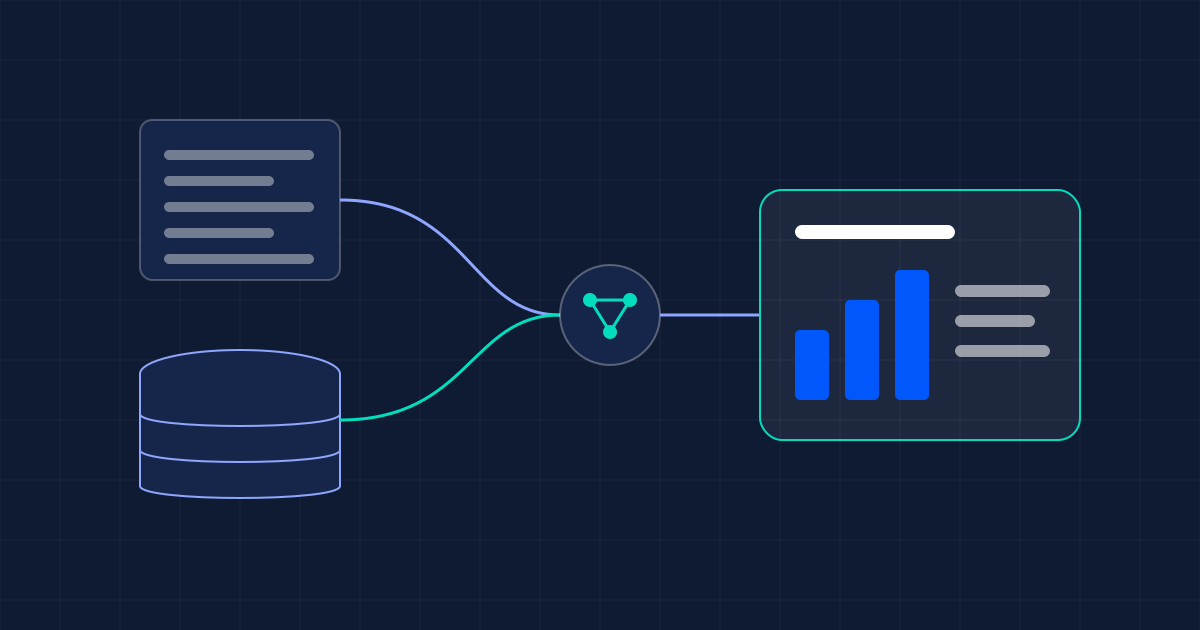
Retrieval-augmented generation, commonly called RAG, is a process that retrieves relevant information and provides it to an LLM before the model generates its answer.
Think of an employee answering a question with an approved reference manual open beside them. The manual supplies the information; the employee interprets it and explains the answer.
In a RAG system, retrieval finds the reference material, and the LLM uses that material to produce a response.
How They Work Together
Consider an employee asking: “What steps should I follow when a delivery arrives damaged?”
A RAG application could:
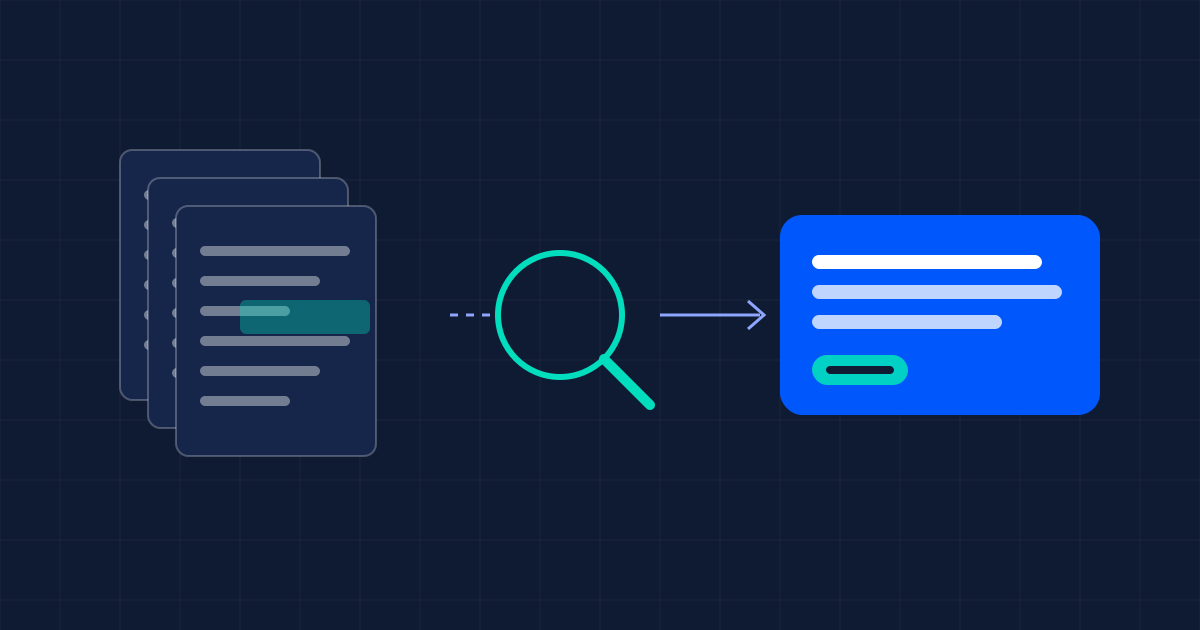
- Search approved operating procedures for relevant guidance.
- Retrieve passages about damaged deliveries.
- Provide those passages and the question to the LLM.
- Generate an answer with references to the source documents.
The system does not need to retrain the LLM every time a procedure changes. Instead, it needs to update the content available for retrieval and ensure the current version is used.
Why Retrieval Quality Matters
The LLM can only work with the information it receives. If retrieval returns an outdated procedure or misses a critical exception, the answer may be incomplete or incorrect.
Building a dependable RAG system therefore involves more than uploading documents. Content needs to be organized, searchable, and accompanied by useful details such as ownership, effective dates, and access permissions.
Many systems use embeddings, which are numerical representations of text, to find passages with meanings similar to a question. Keyword search can complement this approach, especially for exact terms such as product codes, order numbers, or policy names.
RAG Improves Grounding, but Still Needs Evaluation
Providing relevant sources can reduce unsupported answers, but it does not guarantee accuracy. A model may misinterpret a passage, combine conflicting guidance, or make a claim that its cited source does not support.
A reliable application should cite supporting information, recognize when evidence is insufficient, and respect document permissions. Testing should examine both whether the right content was retrieved and whether the final answer accurately reflects it.
LLMs make business information easier to understand. RAG connects that capability to a selected knowledge base. Together, they can help employees find and use information more efficiently, as long as the sources, retrieval process, and answers are carefully managed.