Business intelligence teams often answer questions that involve both numbers and context.
A dashboard may show that delivery performance declined. Understanding the result may also require a metric definition, an operating procedure, or notes about a recent process change.
An LLM application with retrieval-augmented generation, or RAG, can help bring that information together. Building a reliable assistant requires choosing the right way to retrieve each type of evidence.
Use Documents to Explain Business Context
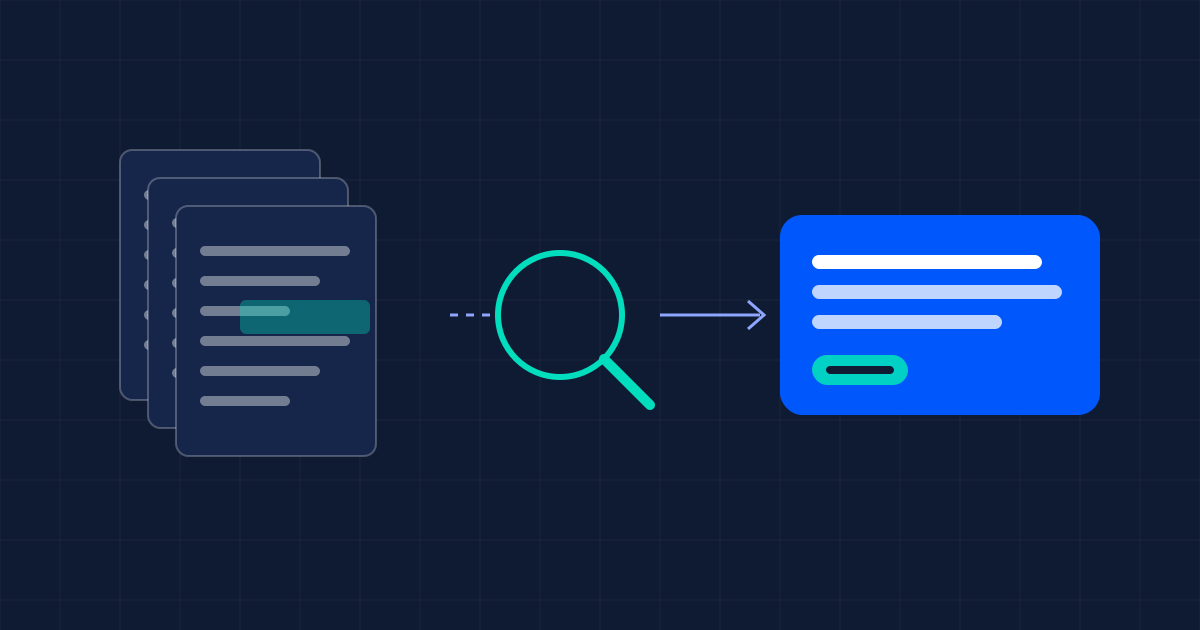
RAG is well suited to finding information in documents such as KPI guides, operating procedures, data dictionaries, and approved business explanations.
For example, a user might ask: “Which orders are excluded from our on-time delivery calculation?”
The system could retrieve the relevant metric definition and use an LLM to explain the exclusions in plain language, with a reference to the source.
This makes documented business knowledge easier to access without requiring users to know which file contains the answer.
Use Governed Queries for Exact Numbers
A different question, such as “What was our on-time delivery percentage last week?”, requires a calculation over the relevant records.
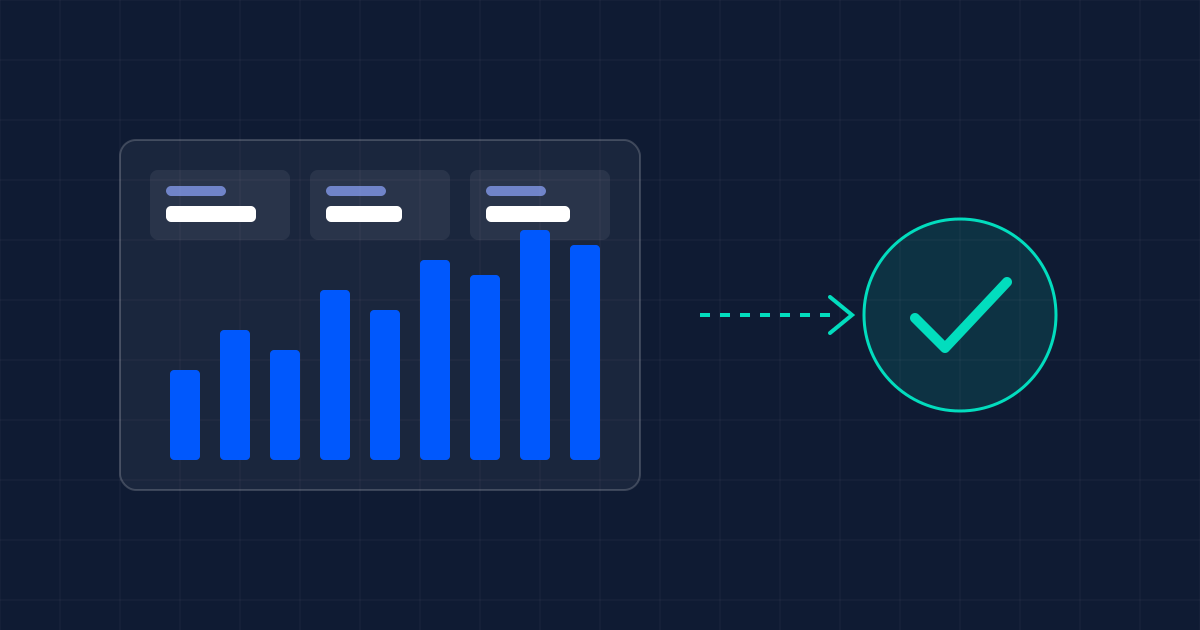
Searching document fragments is generally insufficient for reliable totals, percentages, or complete lists. Those questions are better served by a governed database query, an approved analytics model, or a narrowly defined data tool.
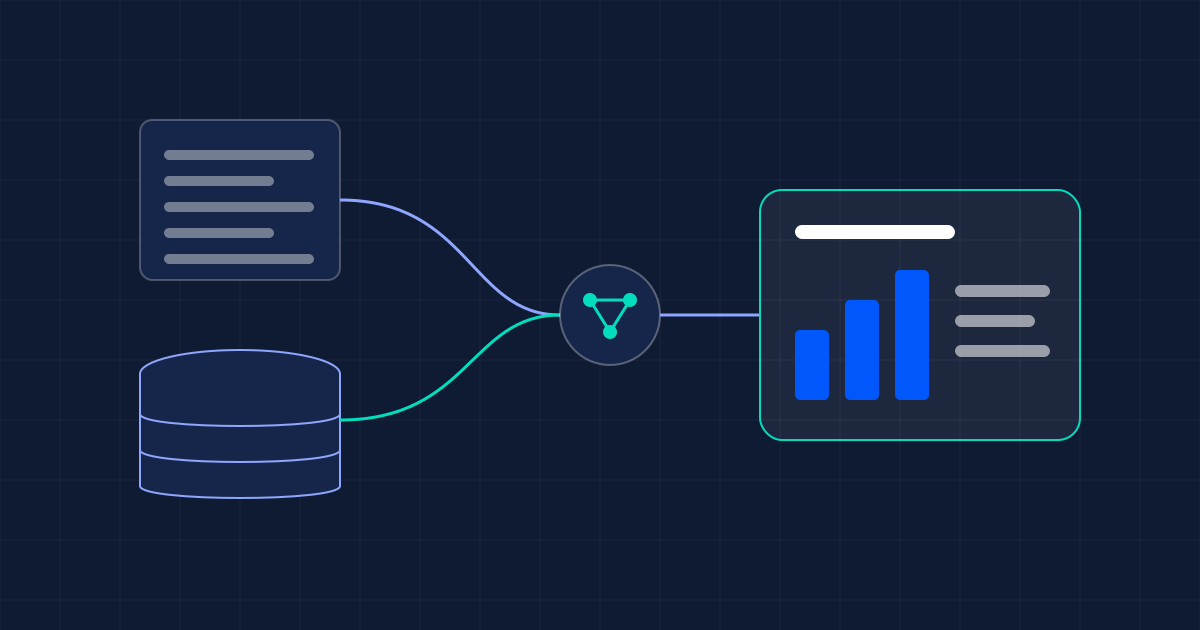
A business assistant can use both approaches:
- Retrieve documents to explain definitions and policies.
- Query structured data to calculate current results.
- Use the LLM to present the evidence in a clear response.
This design helps preserve the distinction between explaining a metric and calculating it.
Preserve Filters and Reporting Context
A number can be mathematically correct and still answer the wrong question.
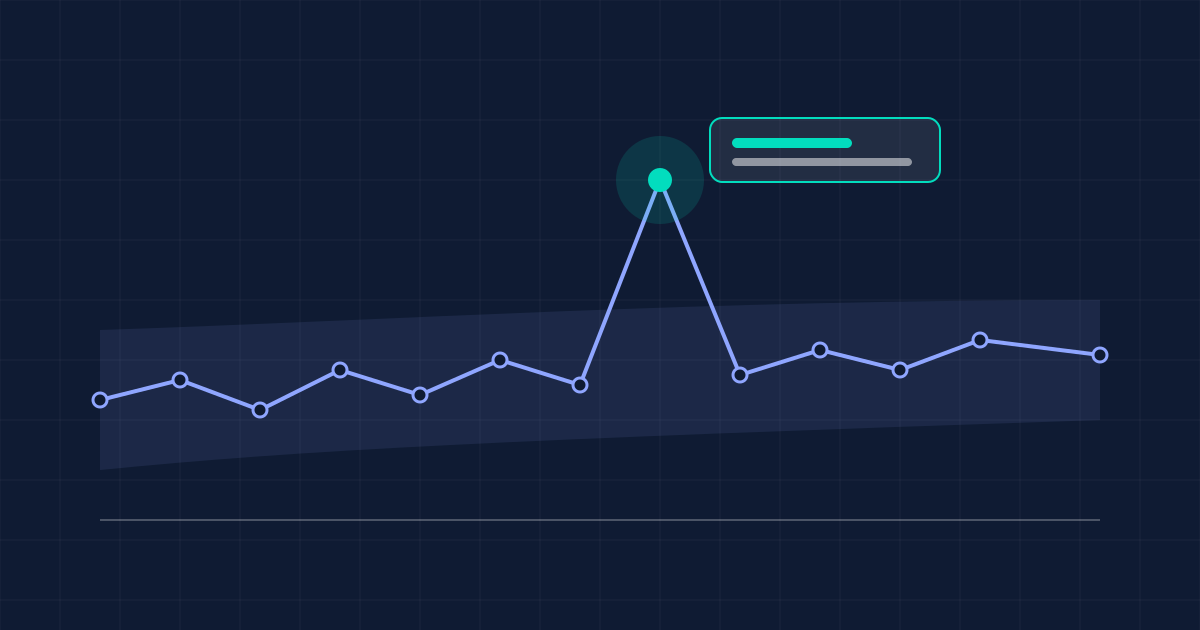
If a user asks about last week’s performance, the application needs to determine the reporting calendar, geographic scope, applicable exclusions, and data refresh status. Internal and external reporting may use different definitions or week boundaries.
The assistant should state important assumptions and ask for clarification when ambiguity could materially change the result.
Retrieve Only Authorized Information
An assistant may connect information from several systems, but users should retain their existing access boundaries.
Document retrieval must check permissions before passing content to the model. Structured data tools also need appropriate restrictions on the records and fields they return.
Security needs to be enforced by the application and its connected systems. Instructions telling the model to keep information private are insufficient on their own.
Test the Whole Answering Process
A useful evaluation should examine several points of failure:
- Did the assistant select the appropriate source or tool?
- Did retrieval find the relevant, current guidance?
- Did the calculation use the correct filters and definitions?
- Does the explanation accurately represent the evidence?
- Do the citations support the claims?
- Does the assistant recognize missing information?
Tests should include ordinary questions, ambiguous requests, conflicting documents, and attempts to access restricted information.
Build Around a Specific Business Need
Start with a manageable set of questions, such as explaining delivery KPIs or investigating departure performance. Establish verified answers and involve the people who own the underlying data and definitions.
A dependable AI analytics assistant combines accessible explanations with controlled access to evidence. RAG supplies relevant context, structured queries supply reliable calculations, and the LLM helps users understand what those results mean.